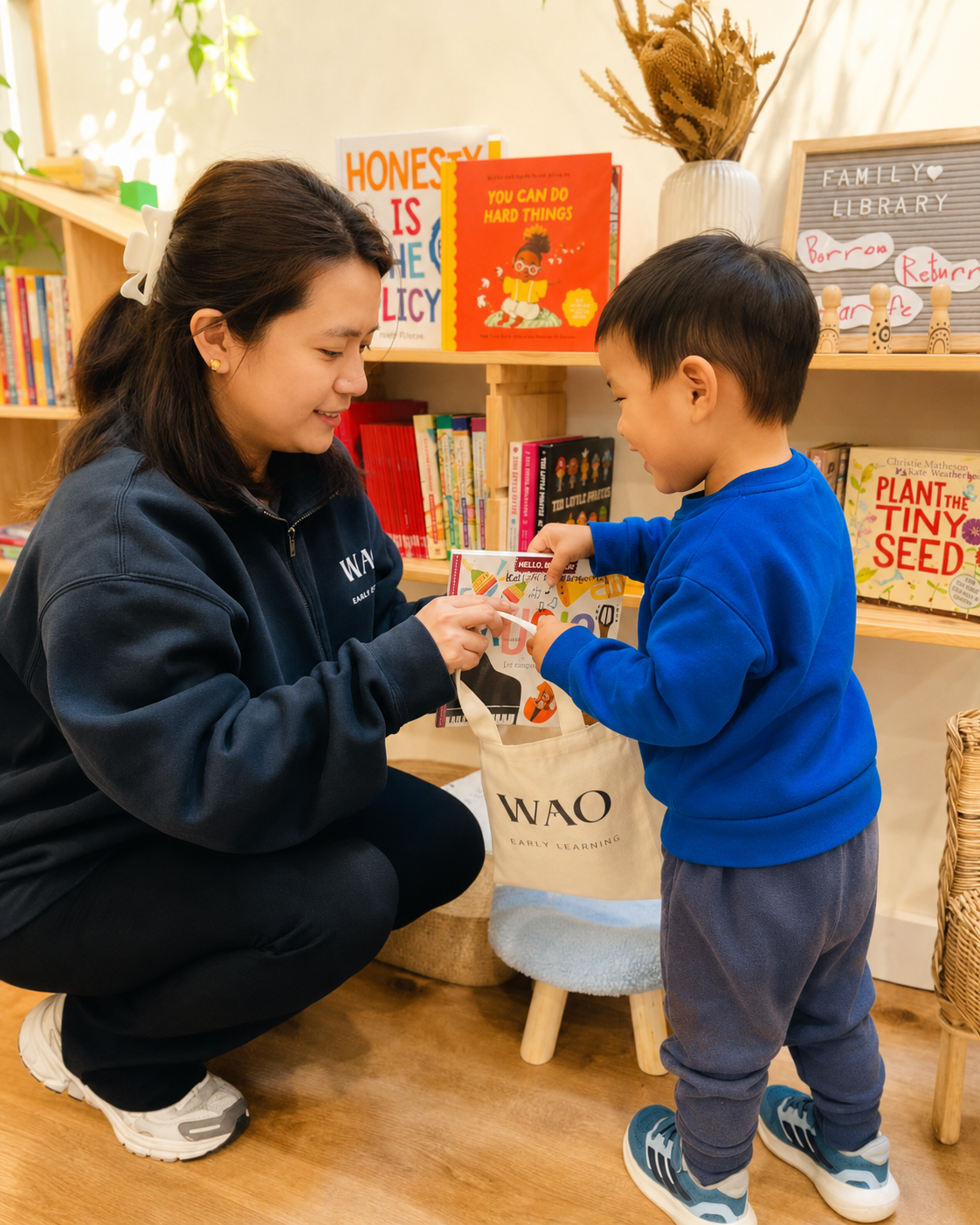
Why Familiar Educators Matter for Young Children
How to Choose a Childcare Centre in St Ives: What Matters Beyond Activities
Choosing childcare is one of the most important decisions a family makes in the early years.
For many St Ives families, the first things they look at are location, fees, opening hours, meals, outdoor space and school readiness. These are all important. But when you are choosing a childcare centre, daycare or preschool program, there is something even more important to notice:
Will my child feel safe, known and supported here?
At Kelvin Kindergarten St Ives, we believe early learning begins with secure relationships. Children learn best when they feel emotionally safe, when educators know them well, and when each day feels calm, predictable and caring.
Below are some key things to look for when choosing a childcare centre in St Ives.
1. Look for a calm and settled environment
A good childcare centre does not need to feel busy, loud or overstimulating to be high quality.
When you visit, notice the rhythm of the centre:
Are children relaxed?
Are educators calm in the way they speak?
Is the room organised without feeling overly controlled?
Do children have time to play, explore and settle into activities?
A calm environment helps children feel secure. This is especially important for toddlers and preschool children who are still developing self-regulation, confidence and independence.
At Kelvin Kindergarten, we intentionally keep our environment calm and relationship-based. We want children to feel that they have time to settle, connect and grow at their own pace.
2. Ask how educators support settling
Settling into childcare or daycare is a big emotional step for young children.
Some children separate confidently. Others need more time, reassurance and consistency. A good centre should be able to explain how they support each child during the settling process.
Helpful questions to ask include:
How do you support children during drop-off?
Will my child have a key educator or familiar person?
How do you communicate with families during the first few weeks?
What happens if my child is upset or slow to settle?
At Kelvin Kindergarten, we pay close attention to each child’s settling journey. We observe who they connect with, what helps them feel calm, and how we can support their emotional security day by day.
3. Notice whether educators genuinely know the children
One of the biggest differences between childcare centres is not always visible on a brochure. It is in the relationships.
When you tour a centre, observe how educators speak about the children. Do they know each child’s personality, interests and needs? Do they notice small changes in children’s mood, confidence or behaviour?
Children benefit deeply when they are known by familiar educators.
At Kelvin Kindergarten, being small by design allows us to build close relationships with children and families. We believe children should not feel processed through a system. They should feel genuinely known, understood and supported.
4. Look beyond activities and ask about learning foundations
Many families look for a preschool or early learning program that will help prepare children for school. School readiness is important, but it is not only about letters, numbers or structured activities.
Strong school readiness begins with deeper foundations, including:
self-regulation
language and expressive communication
executive function
social competence
confidence as a learner
These capabilities help children listen, communicate, solve problems, manage emotions, build friendships and approach learning with confidence.
At Kelvin Kindergarten, our preschool and long day care program supports these foundations through play, relationships, routines and meaningful educator guidance.
5. Ask how the centre communicates with families
Good communication should be specific, warm and useful.
Instead of only hearing “your child had a good day,” families should feel that educators can share real observations, such as:
what helped your child settle
who they played with
what they were curious about
how they managed a challenge
what new confidence or independence they showed
Strong communication builds trust between families and educators. It also helps parents feel confident that their child is being seen as an individual.
At Kelvin Kindergarten, we value clear and honest communication with families. We want parents to understand not only what their child did, but how their child is growing.
6. Consider whether the centre’s size suits your child
Some children thrive in larger environments. Others feel more secure in a smaller, calmer childcare setting.
A smaller childcare centre can offer:
more familiar faces
closer relationships
smoother transitions
more individual attention
a stronger sense of belonging
For families looking for a boutique childcare centre or preschool in St Ives, size can make a meaningful difference.
Kelvin Kindergarten is intentionally small. Our approach is personal, steady and relationship-driven, giving children space to feel secure before they are expected to become confident learners.
7. Choose a place where trust grows naturally
A strong childcare experience is not created by one impressive activity or one beautiful room. It is built through daily consistency.
Children need educators who are patient, warm and reliable. Families need communication that feels genuine. The centre needs to feel calm, safe and organised.
When these things come together, children begin to trust. And when children trust, they learn more naturally.
Visit Kelvin Kindergarten St Ives
Kelvin Kindergarten is a calm, boutique childcare and preschool centre located at 261 Mona Vale Road, St Ives NSW 2075.
We welcome children from 14 months to 5 years, offering nurturing long day care, toddler care and preschool learning in a small, relationship-based environment.
If you are looking for a childcare centre in St Ives where your child can feel known, supported and gently encouraged to grow, we would love to welcome your family for a tour.