
Why Emotional Regulation Is One of the Most Important Skills for Young Children
Introduction
In early childhood education, we often focus on learning outcomes such as language, numeracy, and school readiness. While these areas are important, one of the most critical skills children develop in the early years is something less visible but incredibly powerful: emotional regulation.
Emotional regulation is the ability for children to recognise, understand, and gradually manage their emotions. It is the foundation that supports social relationships, confidence, learning, and resilience.
At Kelvin Kindergarten, we see emotional development as a core part of early learning, not something separate from it.
What Is Emotional Regulation?
Young children experience strong emotions every day. Excitement, frustration, disappointment, joy, and sometimes anger are all part of their growing world.
However, toddlers and preschool children are still learning how to:
-express their feelings
-calm themselves down
-understand others’ emotions
-cope with challenges
This process takes time and guidance.
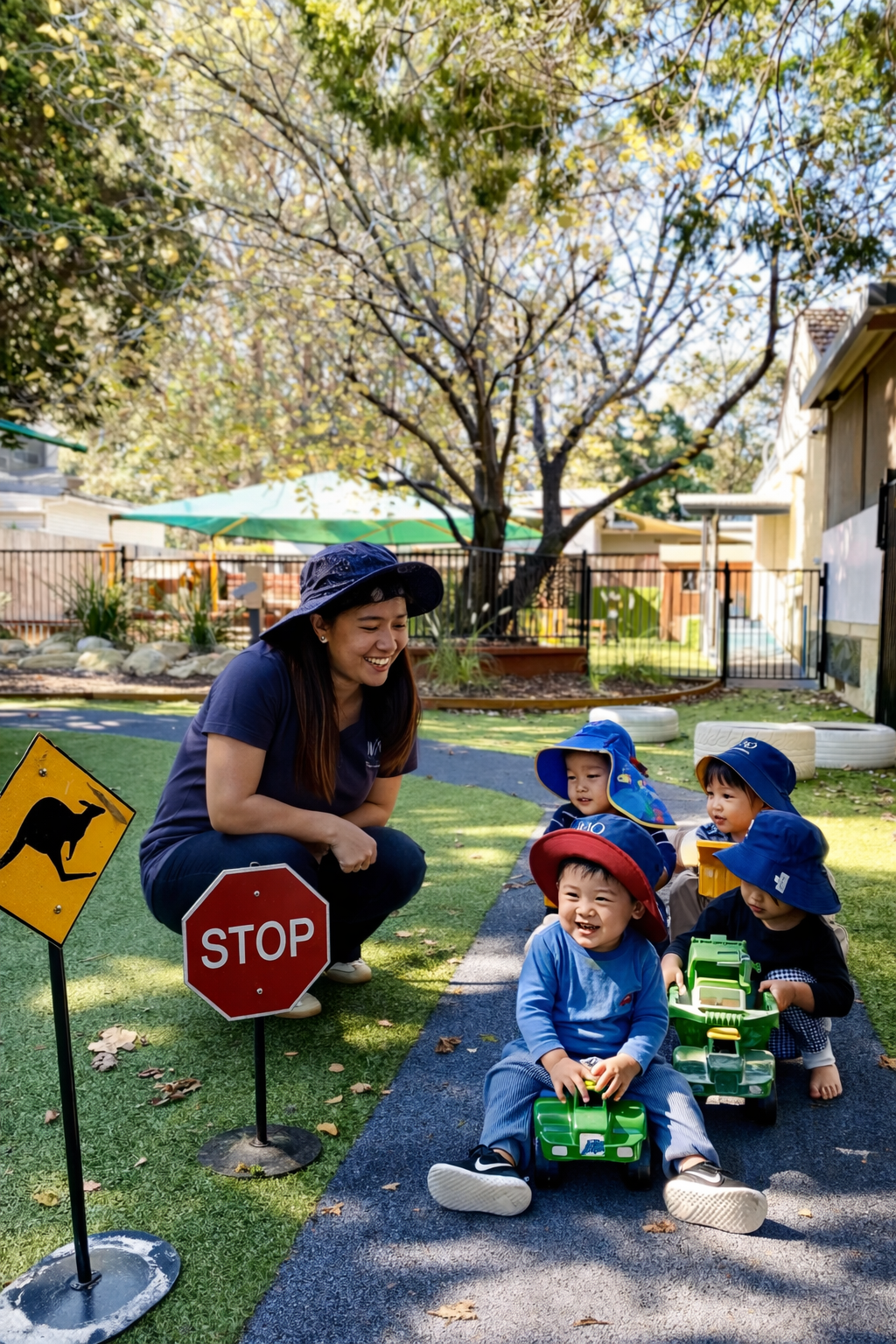
Children are not born knowing how to regulate their emotions. They learn it through supportive relationships with adults who model calm responses and help them make sense of their feelings.
Why Emotional Regulation Matters for Learning
Children who develop strong emotional regulation skills are often better able to:
-form positive friendships
-participate in group activities
-persist with challenging tasks
-transition into school environments more confidently
-When children feel safe and emotionally supported, they are more open to exploring, learning, and engaging with others.
This is why emotional wellbeing is such an important focus in high-quality early childhood environments.
How Educators Support Emotional Development
Supporting emotional regulation does not mean preventing children from feeling upset or frustrated. Instead, educators help children learn how to navigate those feelings.
This may include:
-calmly acknowledging children’s emotions
-helping them name their feelings
-guiding them through problem-solving
-modelling patience and empathy
Over time, children begin to internalise these responses and gradually develop their own coping strategies.
Building Strong Foundations for the Future
Emotional regulation is not only important in early childhood — it is a lifelong skill.
Children who learn how to manage emotions, communicate their needs, and respond to challenges in healthy ways develop important foundations for:
-school readiness
-social confidence
-resilience in later life
In early childhood education, our role is not only to support learning, but also to nurture the whole child — emotionally, socially, and intellectually.
Conclusion
Every day, young children are learning more about themselves and the world around them. With patient guidance and supportive relationships, they gradually build the emotional skills that help them thrive.
These early experiences shape the way children approach learning, relationships, and challenges for many years to come.
Why Emotional Regulation Is One of the Most Important Skills for Young Children
Emotional regulation is the ability for children to recognise, understand, and gradually manage their emotions. It is the foundation that supports social relationships, confidence, learning, and resilience.