
Why Strong Relationships Matter in Early Childhood Education: Turn Intention Into Action
In the early years of life, relationships play a powerful role in children’s development. Before children are ready to focus on structured learning, they first need to feel safe, understood, and supported.
This is why strong relationships between educators and children are at the heart of quality early childhood education.
When children feel comfortable with the adults around them, they are more confident exploring their environment. They are more willing to try new activities, communicate their ideas, and interact with other children.
Educators build these relationships through everyday interactions — listening to children, responding to their needs, and showing genuine care and patience. Simple moments such as greeting a child warmly in the morning, sitting with them during play, or helping them navigate a challenging moment can have a lasting impact.
Strong relationships also support children's emotional development. When children experience big emotions, caring educators help them understand their feelings and guide them toward positive ways of responding. Over time, children begin to develop confidence, empathy, and resilience.
These early connections also help children build social skills. Through interactions with educators and peers, children learn how to communicate, cooperate, and form friendships.
In early childhood education, learning does not only happen through planned activities. It happens through meaningful relationships, everyday conversations, and shared experiences.
When children feel valued and supported, they are more ready to learn, grow, and discover the world around them.
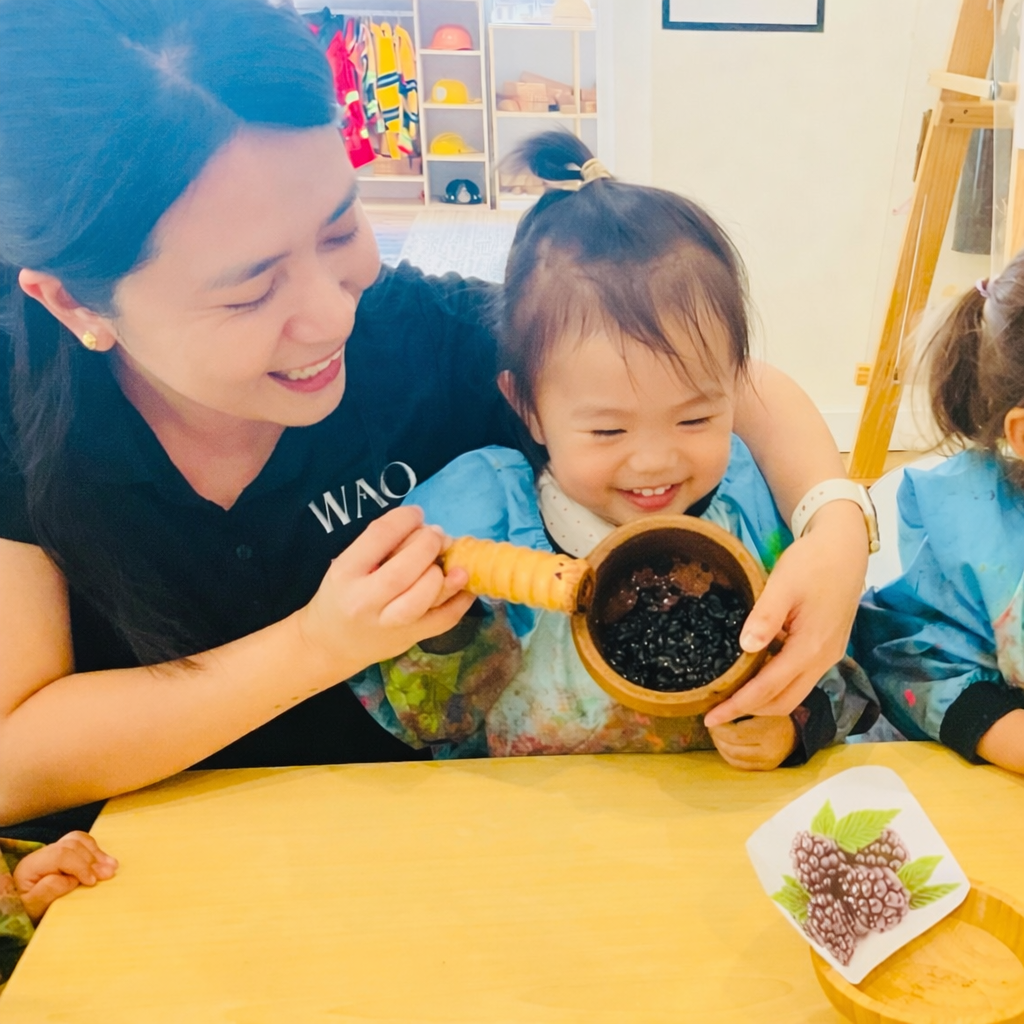
Strong relationships also support children's emotional development
When children experience big emotions, caring educators help them understand their feelings and guide them toward positive ways of responding. Over time, children begin to develop confidence, empathy, and resilience.